
Best Time for Storm Restorations in Athens
Storm restorations are most effective when performed promptly after storm events, but timing can vary based on weather patterns and regional conditions. The optimal window for storm restoration activities typically occurs during mild weather periods when conditions are safe for contractors and accessible for repairs. In Athens, Georgia, late spring through early fall often presents the best opportunity, as storms are more frequent but weather conditions are generally stable enough to facilitate repairs.
Conducting inspections immediately after a storm helps identify damages early, preventing further deterioration.
Clear, dry days are ideal for performing storm restoration work to ensure safety and quality.
Spring and summer months offer longer daylight hours and warmer temperatures, suitable for repairs.
Regions with frequent storms may require year-round readiness for restoration efforts.
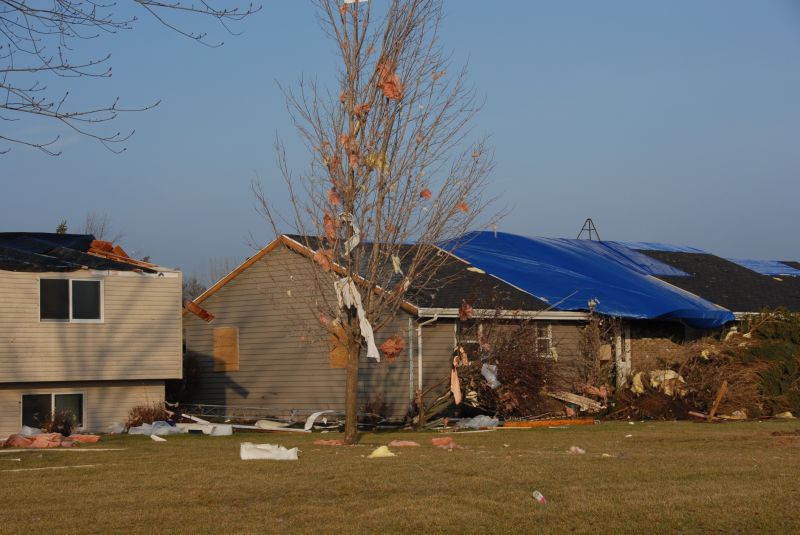
Visual evaluation of storm impact on structures.
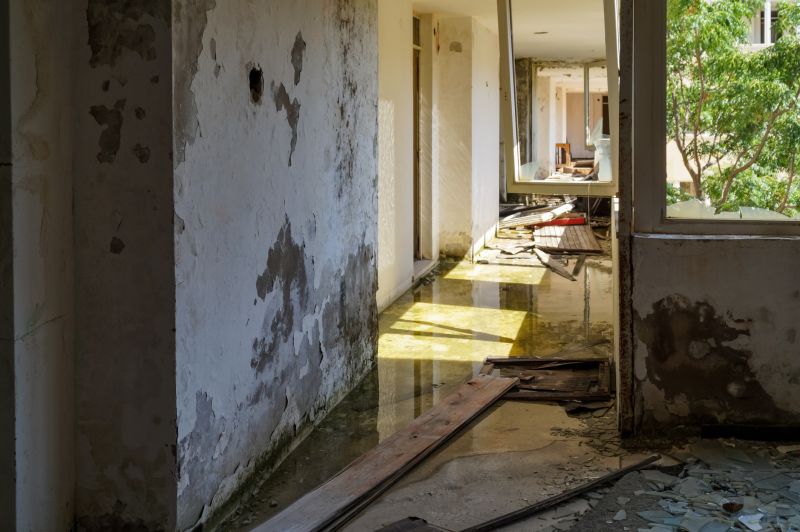
Temporary fixes to prevent further damage.
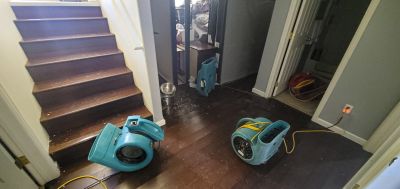
Tools used for storm damage repairs.

Ways to make Storm Restorations work in tight or awkward layouts.

Popular materials for Storm Restorations and why they hold up over time.
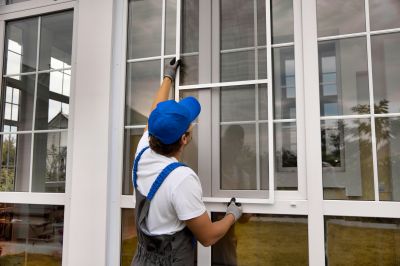
Simple add-ons that improve Storm Restorations without blowing the budget.
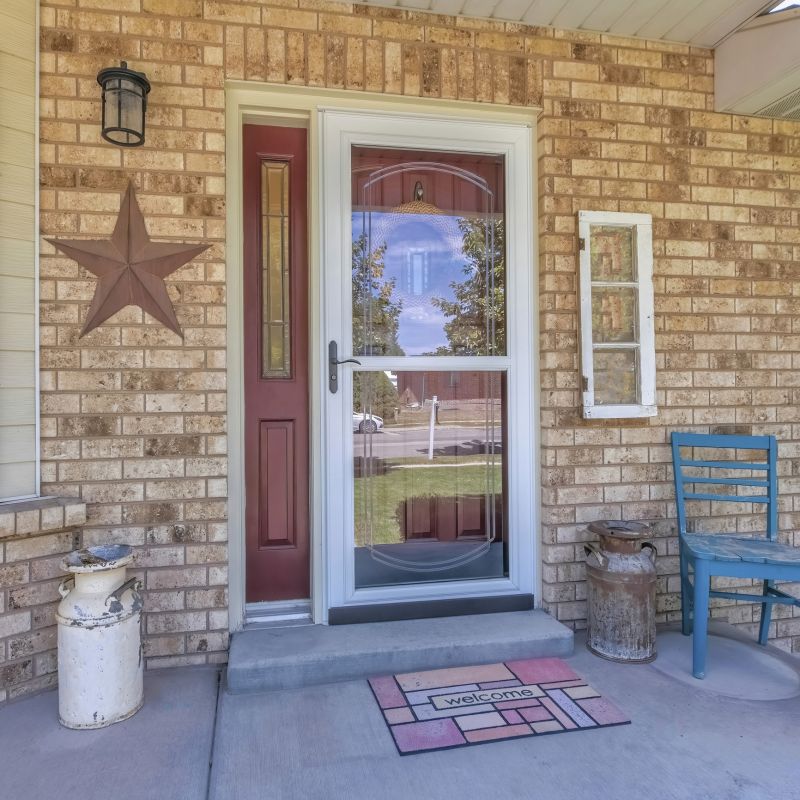
High-end options that actually feel worth it for Storm Restorations.
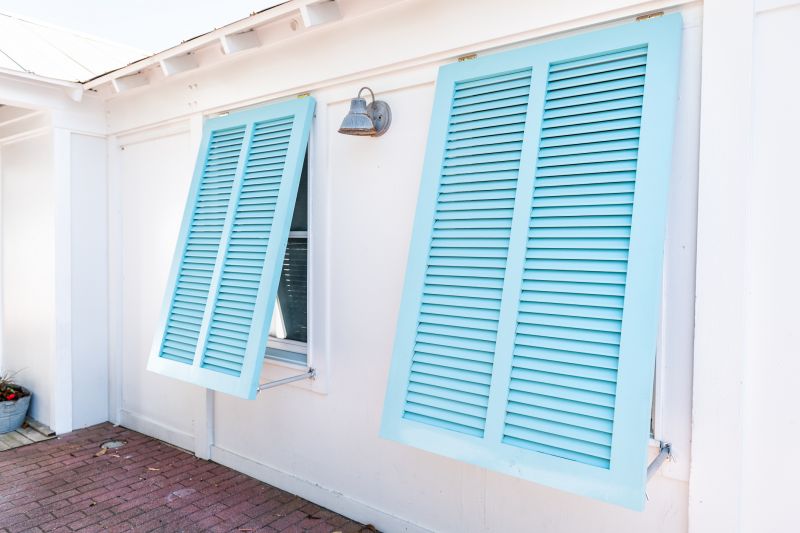
Finishes and colors that play nicely with Storm Restorations.
Storm restorations involve a comprehensive process to repair and restore properties affected by severe weather events. These efforts include assessing damage, securing structures, and implementing repairs to ensure safety and stability. Proper timing is crucial for minimizing additional damage, reducing repair costs, and restoring functionality promptly. Weather conditions, regional storm patterns, and seasonal factors all influence the optimal timing for effective storm restoration activities.
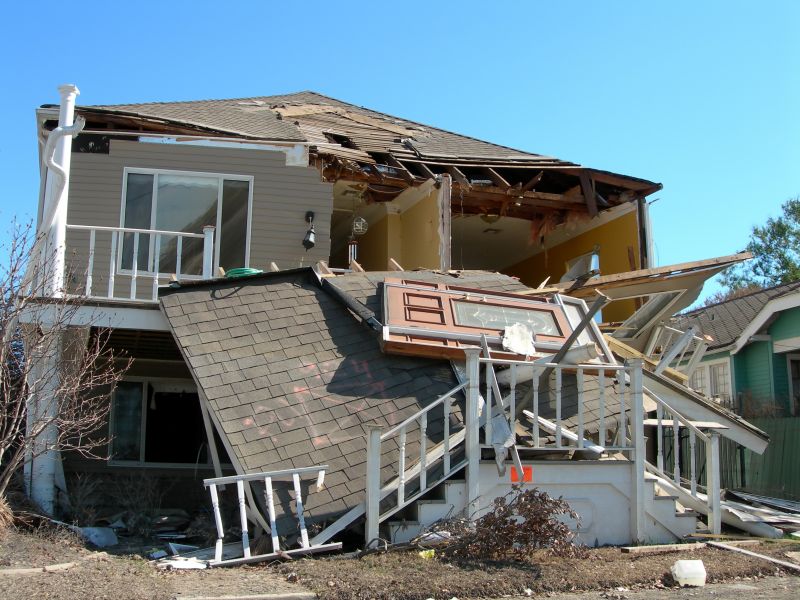
Fixing storm-damaged roofs to prevent leaks.
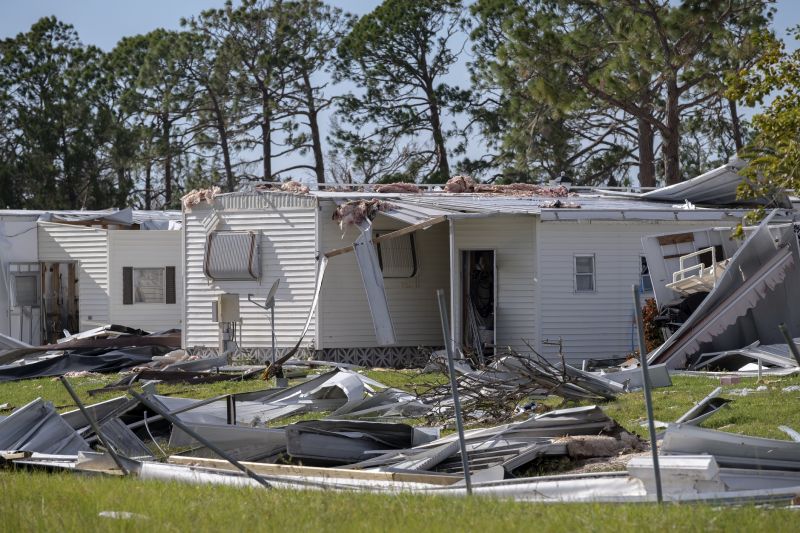
Restoring damaged exterior walls.
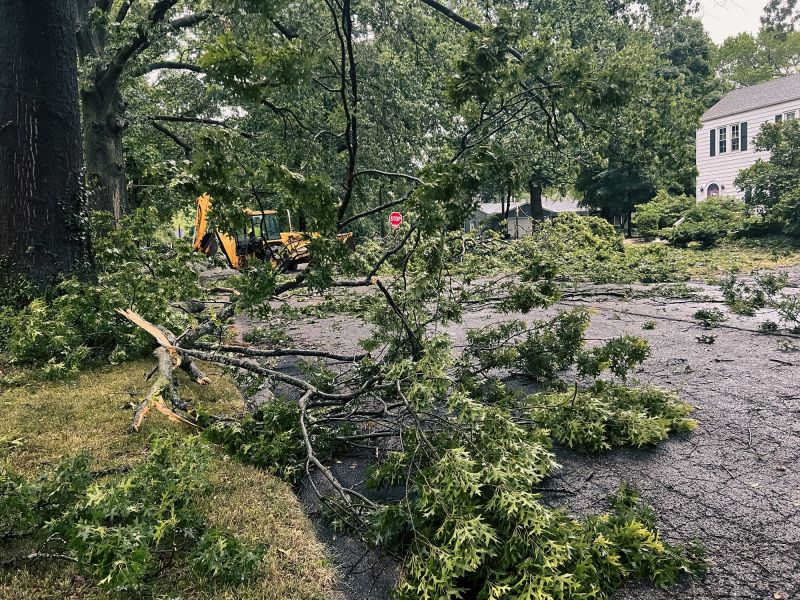
Clearing storm debris from properties.

Reinforcing weakened structures.

Little measurements that prevent headaches on Storm Restorations day.
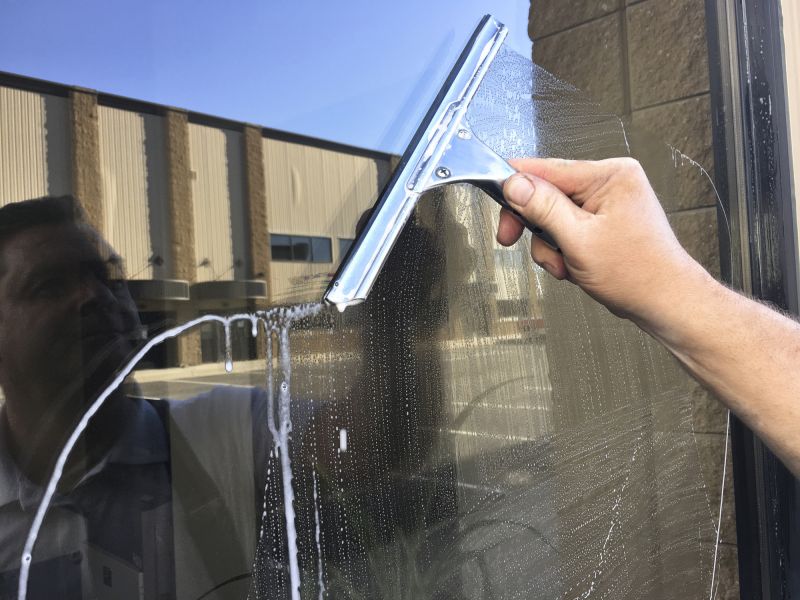
A 60-second routine that keeps Storm Restorations looking new.

A frequent mistake in Storm Restorations and how to dodge it.

Small tweaks to make Storm Restorations safer and easier to use.
| Consideration | Optimal Timing |
|---|---|
| Post-Storm Inspection | Immediately after storm events |
| Weather Conditions | Clear, dry days are preferred |
| Seasonal Factors | Late spring through early fall |
| Regional Storm Patterns | Based on local storm frequency |
| Preparation Periods | Off-peak seasons for readiness |
| Safety Conditions | Stable weather for safe repairs |
| Storm Frequency | Higher frequency may extend restoration window |
| Accessibility | Accessible conditions for repair crews |
Timely storm restorations are essential for maintaining property integrity and safety. By understanding regional weather patterns and seasonal trends, property owners and contractors can better plan for effective repair efforts. Preparing during less active storm periods ensures readiness and swift action when storms occur, minimizing damage and associated costs.

Restoring properties after storm impacts.
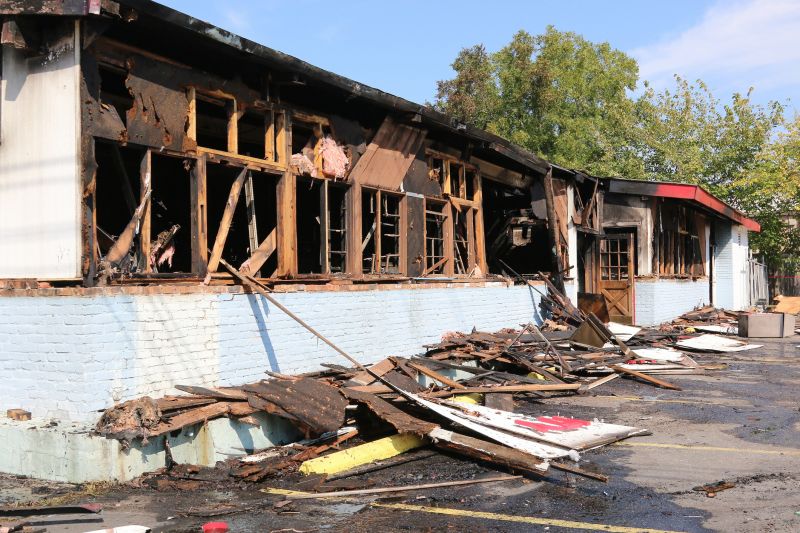
Immediate actions to limit damage.
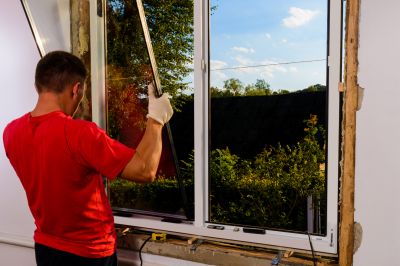
Scheduling repairs during optimal weather.
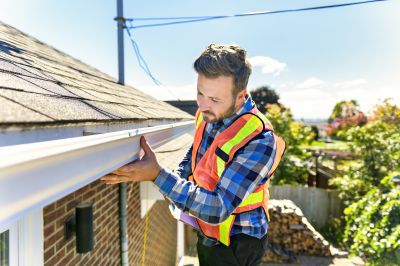
Ensuring repairs meet safety standards.
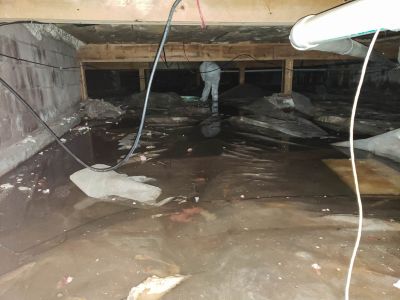
Lower-waste or water-saving choices for Storm Restorations.

The short, realistic tool list for quality Storm Restorations.

Rough timing from prep to clean-up for Storm Restorations.

Quick checks and paperwork to keep after Storm Restorations.
Interested property owners in Athens, GA, are encouraged to contact for more information about storm restoration services. Prompt response and proper timing can significantly reduce damage and expedite recovery efforts after severe weather events.